Knowing when to trust what AI gives you
AI is one of the most capable tools I've used, and it will still hand you a confident, well-written answer that's wrong. These pieces are about where I put my guard up: breaking trust into parts you can check, why people stop checking the work, and why your name is still on whatever you send.
A few go past accuracy, into scare headlines, AI-made music, sources a model can't cite, and what happens when a tool knows too much about people.
-
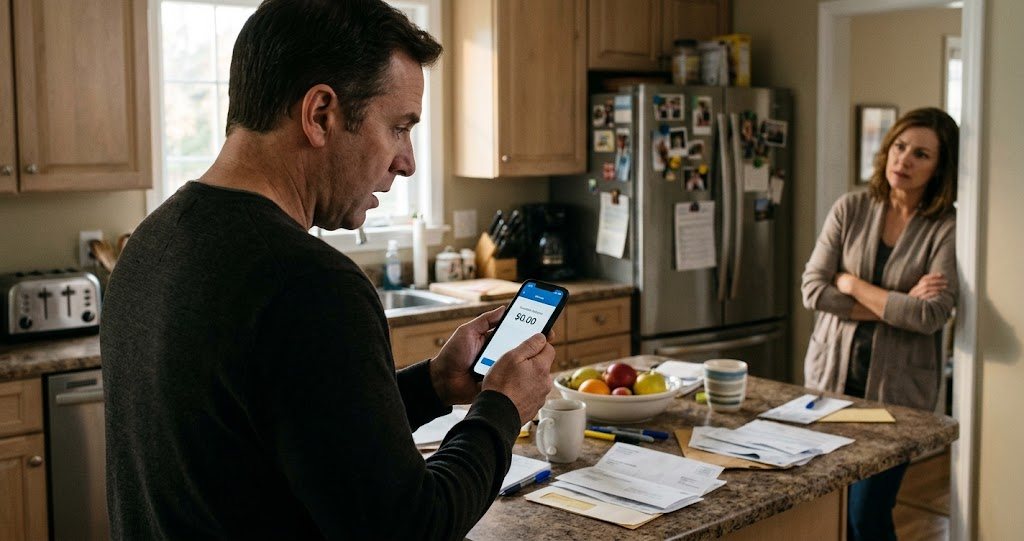
AI Drained My Bank Account
· 6 min readMy AI chief of staff missed a changed lunch date and I drove into Manhattan for nothing, which was my own fault. The same is true of the scariest AI headlines this year, where people skipped basic controls and AI took the blame.
-
I Find Checking AI's Work Boring. That's Dangerous.
· 5 min readI often skim past an AI's reasoning and go straight to the answer, even though checking the work is my job as a manager. I lay out why that happens and what model makers, companies and teams need to change so checking gets easier.
-
You Can't Cite a River
· 9 min readWhen I had my AI boil an article by Ho-yen Leung down into rules for my Campaign Evaluation file, I couldn't say what credit he was owed. Once ideas blend like that the trail fades, so keep the trail while you can.
-
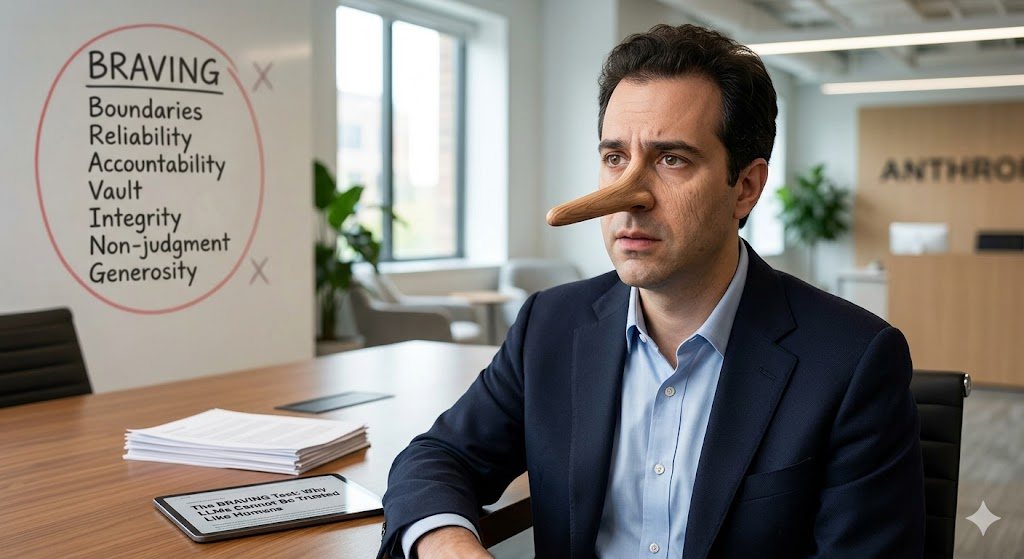
The Smartest Liar I've Ever Worked With
· 11 min readI ran a large language model through the seven parts of trust in Brené Brown's BRAVING framework. It can earn the trust you give a calculator but not the trust you give a person, and each part comes with habits for working around the gaps.
-
My New Favorite Song Is a Lie
· 7 min readOne of my new favorite songs turned out to be made largely by AI, and I still love it while feeling uneasy about it. How much the making matters depends on the stakes, and for me it hinges on whether a person made the choices.
-
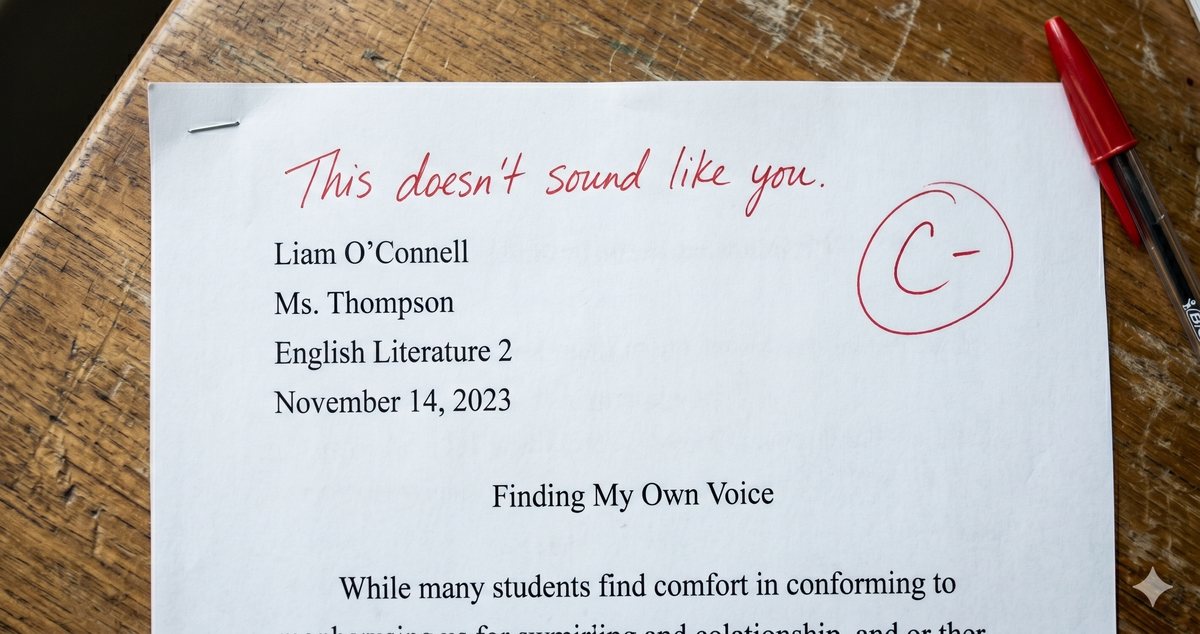
Your Name Is Still on It
· 6 min readI use AI to write every day, and I give two tests for whether the work is still yours, based on going deeper on any point and writing it without the tool. I also share my style guide and kill list of AI tics.
-
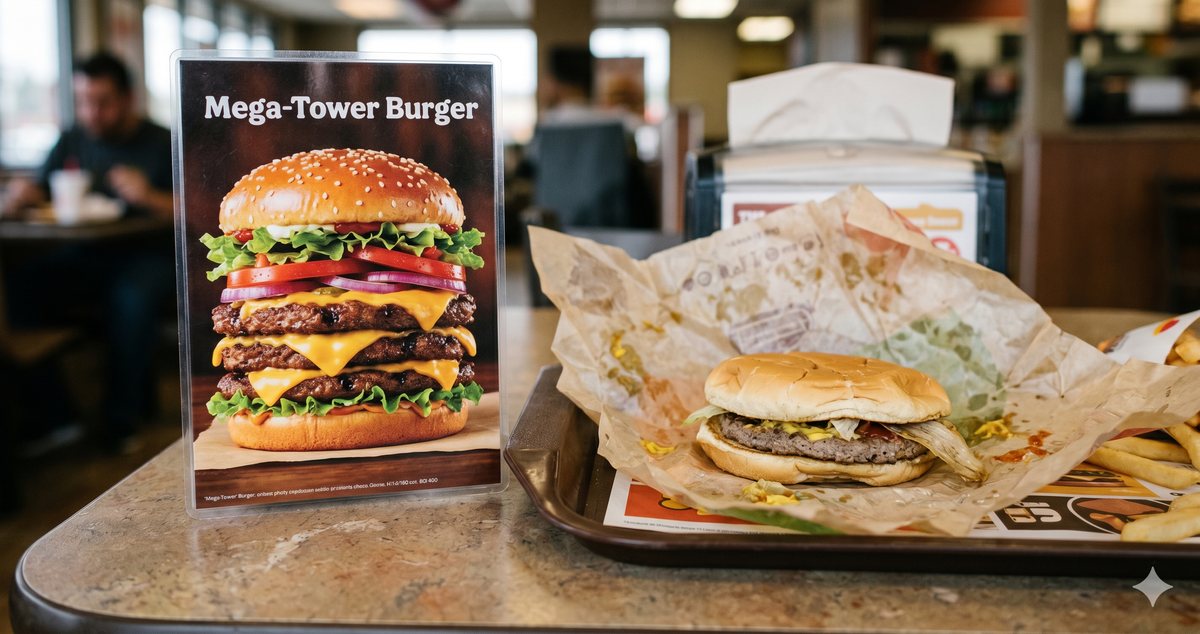
Your BS Detector Just Got Real
· 7 min readAt a retailer's service counter, I had Claude read a membership brochure and tell me in seconds whether the deal made sense for me, and it didn't. The same cheap checking now applies to vendor decks, strategy documents, performance reviews and sales forecasts.
-
Keep Reading the Prompts
· 4 min readHelping a longtime colleague install an AI tool, I kept urging her to click Continue while she read every prompt. Her role carries higher stakes than mine, and I share seven habits I watched her use that fit anyone accountable for something that can break.
-
Push Back on the AI. Not just O.K - Necessary
· 6 min readIn one session on a Hudson Valley estate map project, I pushed back on the AI three times, over an interface I couldn't use, a refusal hiding behind my own ethics rule, and a wall of jargon. Each needed a different correction.
-
The Existential Risk of Knowing Too Much (Especially About People)
· 4 min readI've been running AI over twenty-plus years of personal email and seven-plus years of work email, and it can show far more about people, me included, than we normally choose to remember. I lay out six guardrails I plan to follow with people data.